Scott, Fentress, Morgan & Pickett
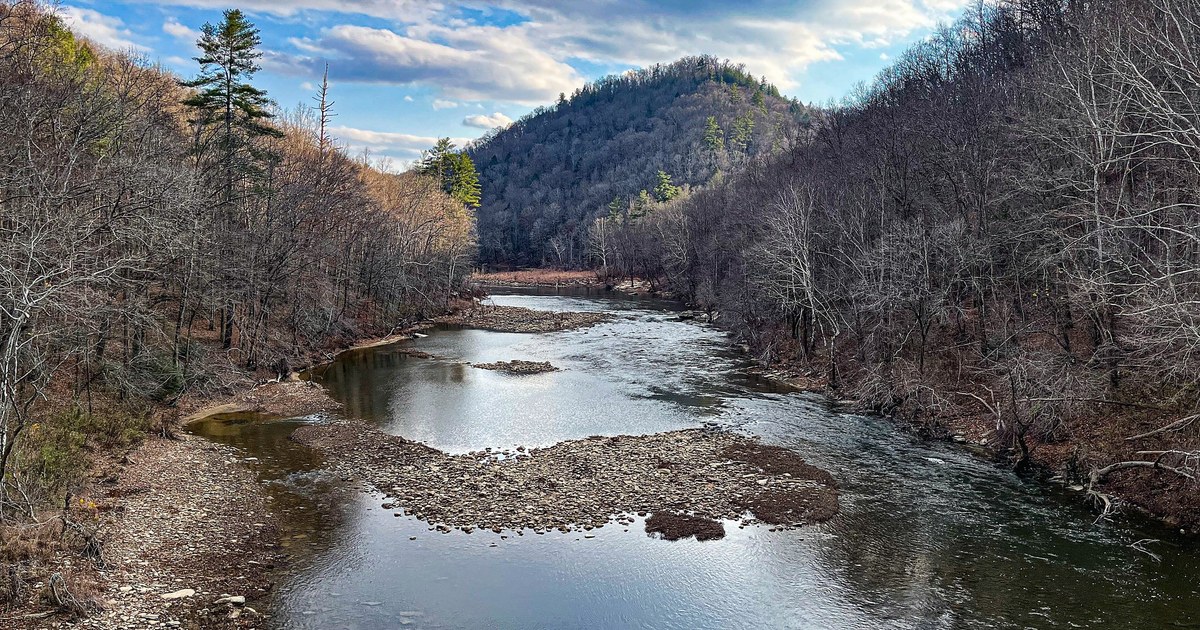
Big South Fork
Gorges, rock arches and Leatherwood Ford on the Big South Fork of the Cumberland River — paddling, horse trails and long hikes.
Visit this page →Cumberland hub
Sandstone bluffs, deep river gorges, waterfalls, off-road trails and small county seats along East Tennessee’s western high ground.
West of Knoxville the land climbs onto the Cumberland Plateau, a long tableland with the Cumberland Mountains rising on its northern end. It covers counties like Cumberland, Morgan, Scott, Fentress, Pickett, Bledsoe and Sequatchie, with Claiborne and Campbell up in the mountains by the Kentucky line. It is quieter than the Smokies: gorges, rock arches, swimming holes, and a few of the state’s most interesting history stops.
Scott, Fentress, Morgan & Pickett
Gorges, rock arches and Leatherwood Ford on the Big South Fork of the Cumberland River — paddling, horse trails and long hikes.
Visit this page →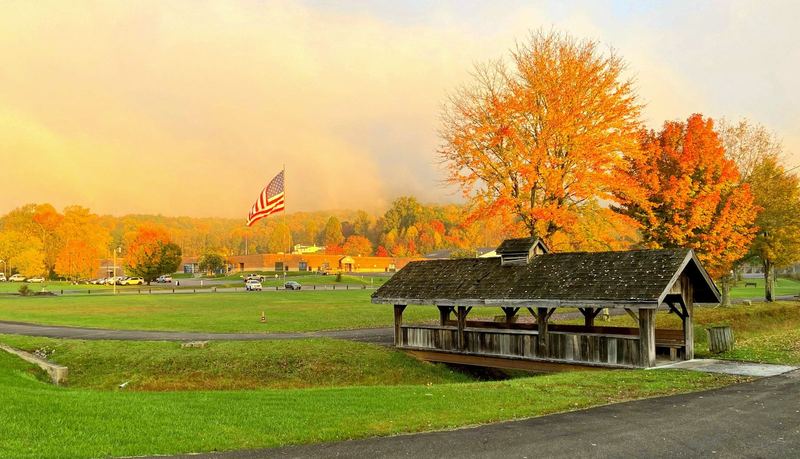
Morgan County · Wartburg
Sandstone cliffs over the Obed and Emory gorges near Wartburg. Lilly Bluff is the easy overlook; the river is for experienced paddlers.
Visit this page →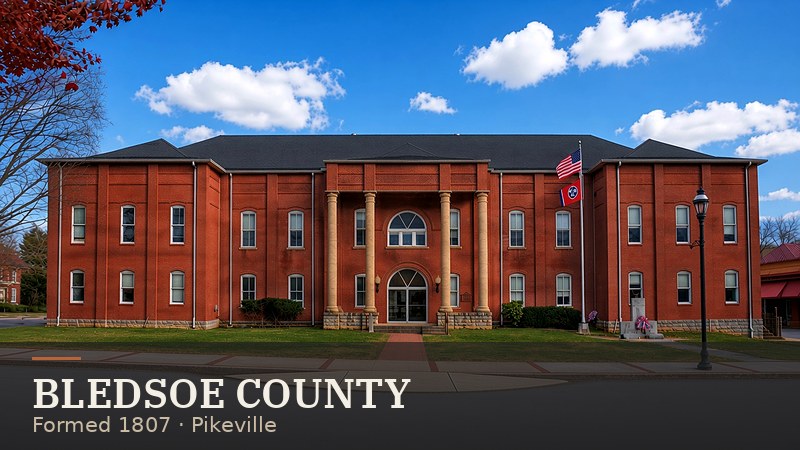
Bledsoe & Van Buren
One of the tallest waterfalls in the eastern U.S., inside a big state park on the plateau’s edge above the Sequatchie Valley.
Visit this page →Claiborne County
The pass through the mountains where Tennessee, Kentucky and Virginia meet — now a national historical park.
Visit this page →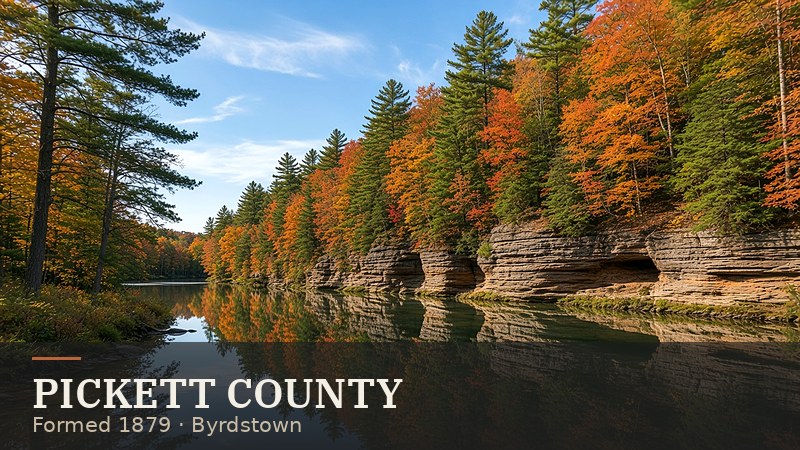
Pickett County
Pickett CCC Memorial State Park, Arch Lake and some of the darkest night skies in the state.
Visit this page →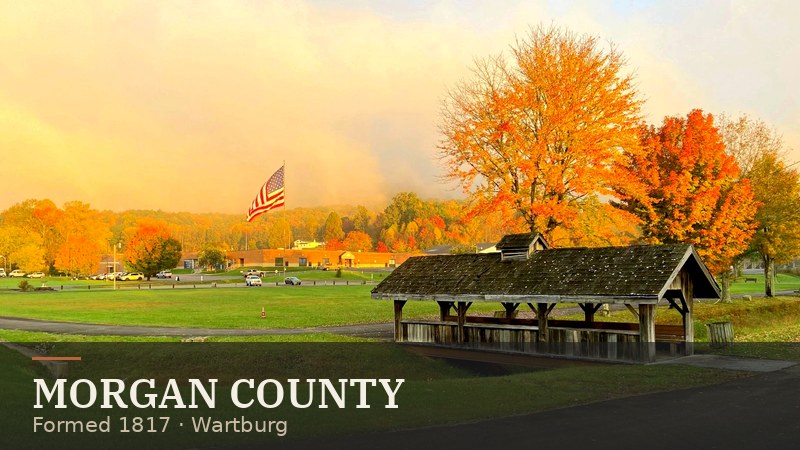
Morgan County
Wildflower trails up Frozen Head and the old Brushy Mountain penitentiary turned history stop.
Visit this page →Above Oliver Springs, Windrock is a huge private off-road park in the Cumberland Mountains, with hundreds of miles of trails for ATVs, side-by-sides, Jeeps, dirt bikes and mountain bikes, plus cabins and a campground. Our Windrock guide covers permits, trail ratings and where to stay nearby; for lodging, also see Windrock & Oliver Springs stays.
More on the East Tennessee attractions hub.
From our shop · My East Tennessee
Take the Plateau home
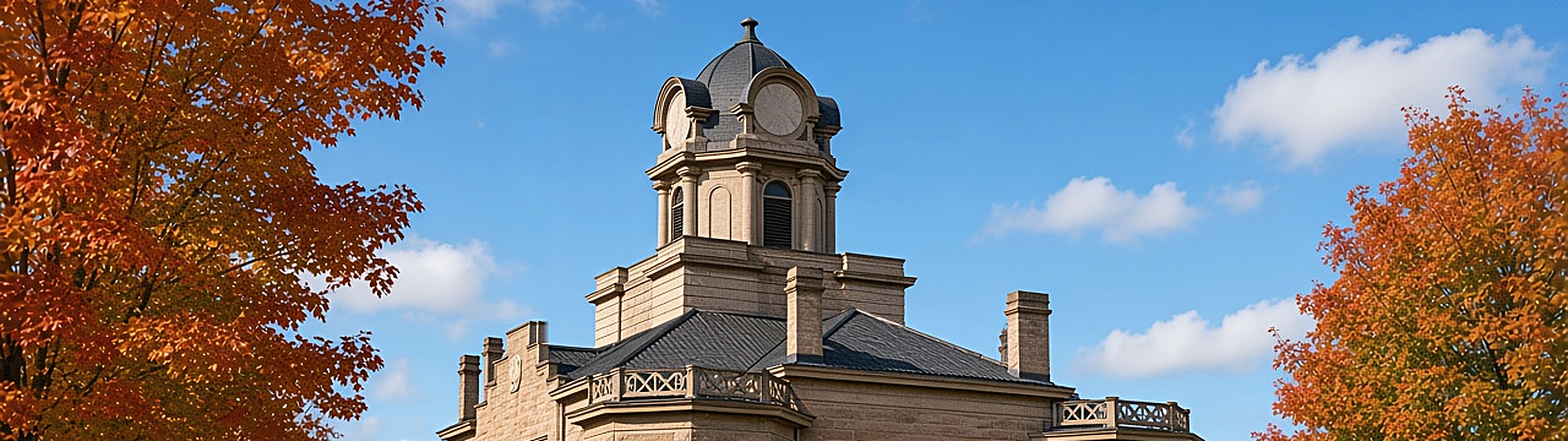
Cumberland County
Cumberland County seat, golf and the New Deal Cumberland Homesteads with its stone houses and tower.
Visit this page →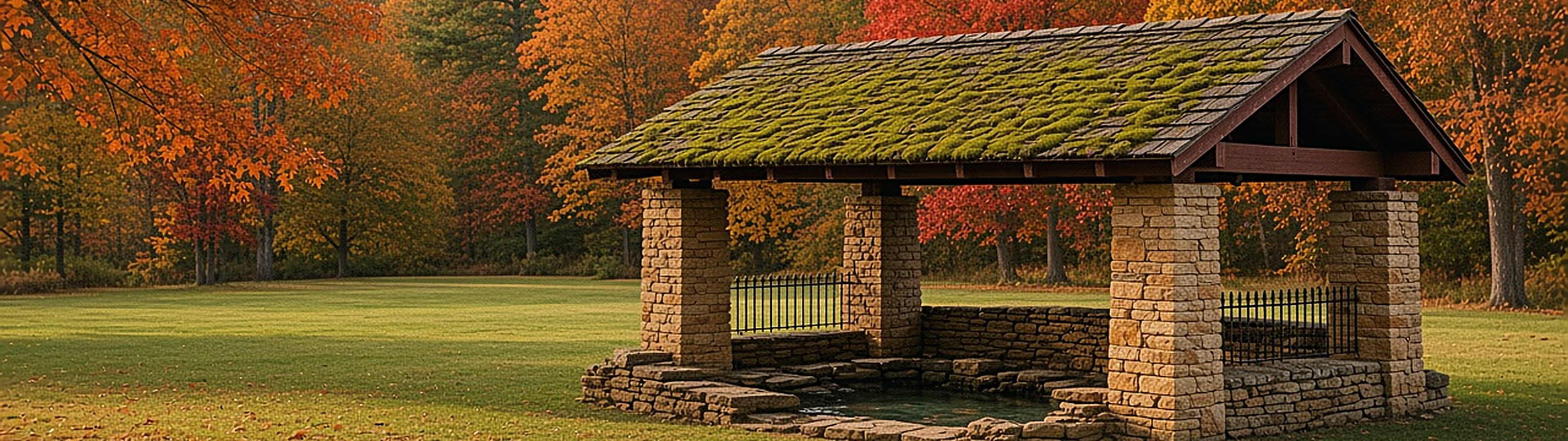
Fentress County
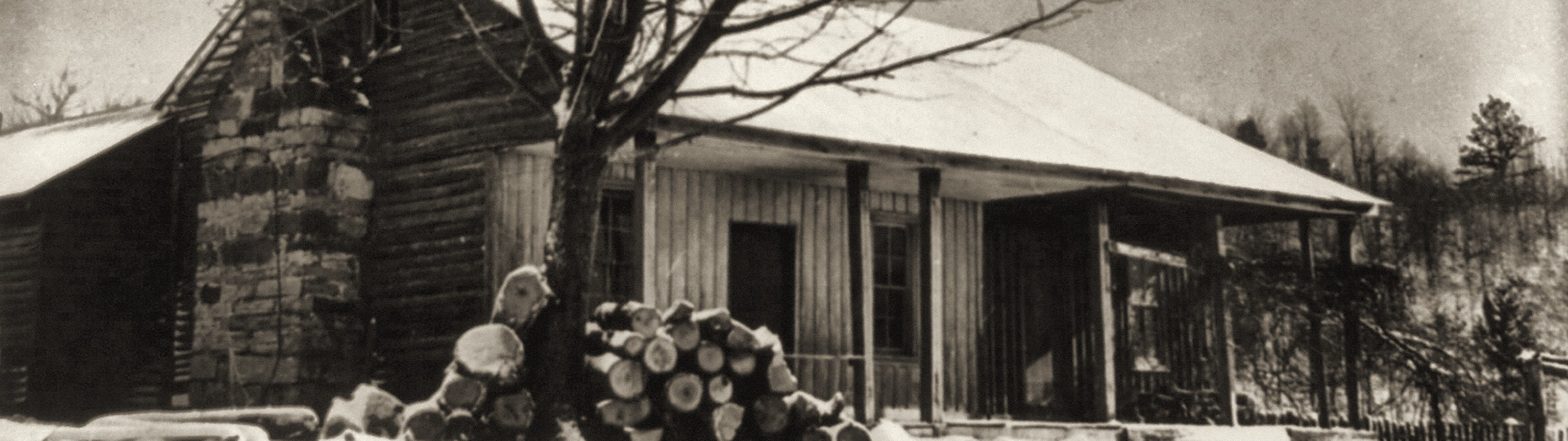
Fentress County seat, Mark Twain Spring, and the jumping-off point for York’s home at Pall Mall.
Visit this page →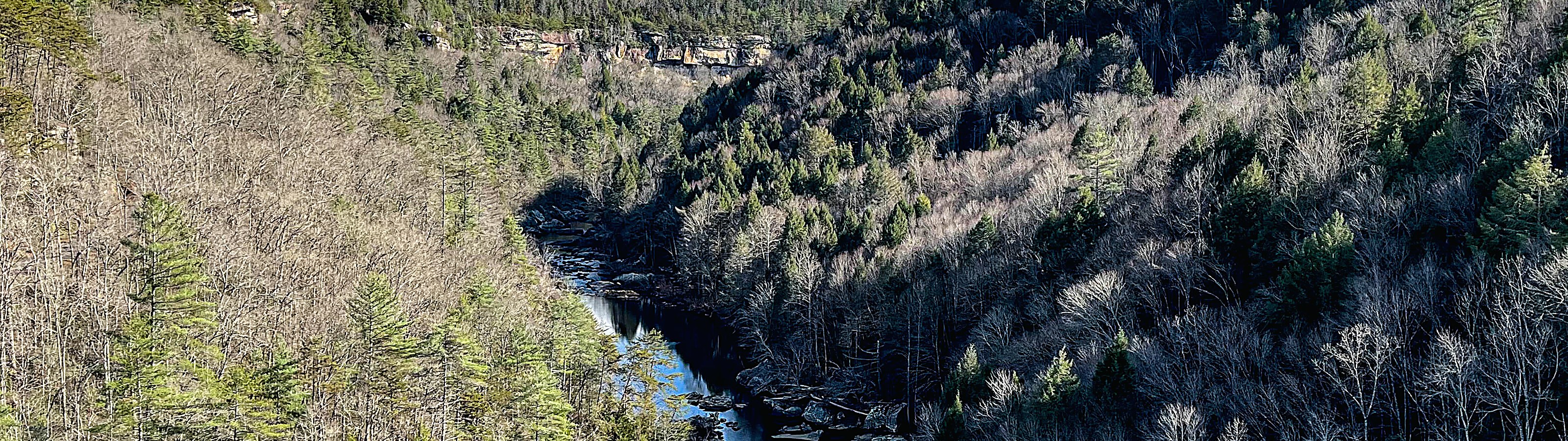
Morgan County
German-settled Morgan County seat by the Obed, Lilly Bluff and Frozen Head.
Visit this page →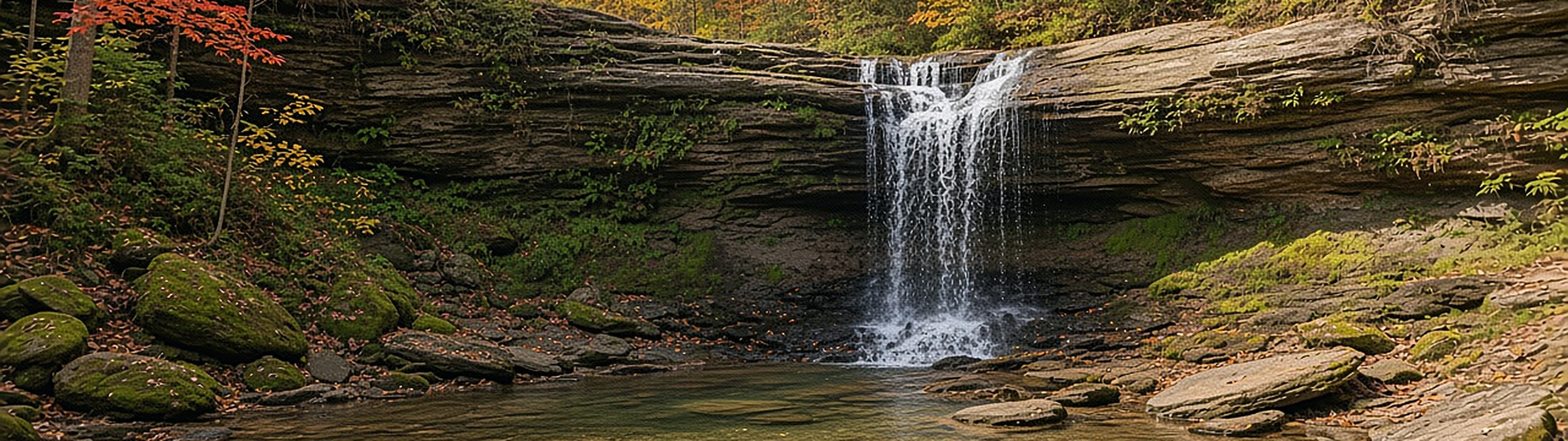
Pickett County
Pickett County seat, Dale Hollow Lake and Cordell Hull’s birthplace.
Visit this page →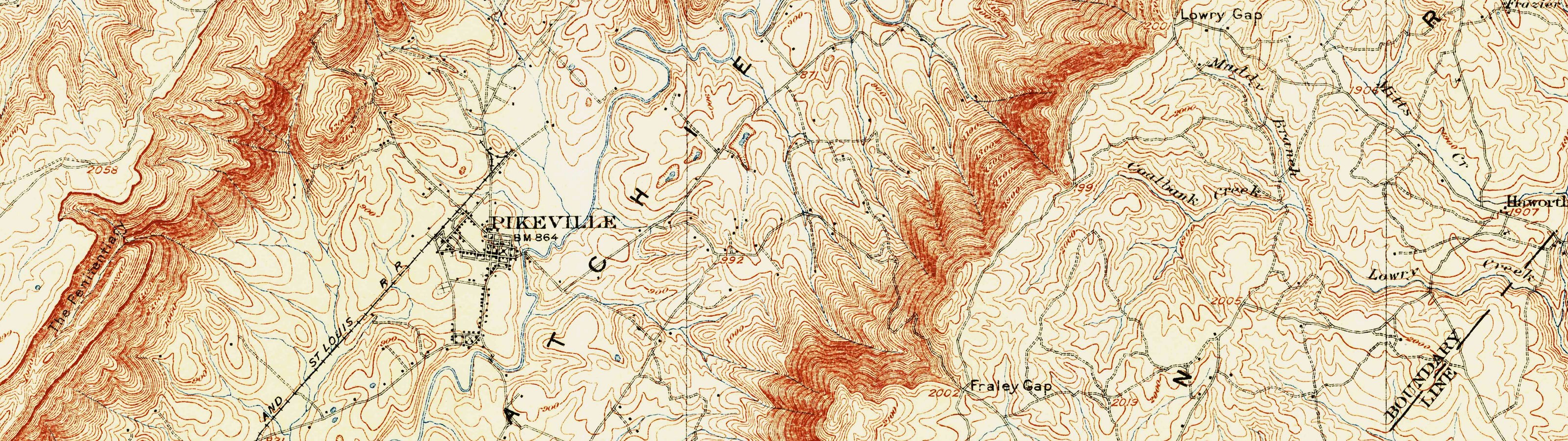
Bledsoe County
Bledsoe County seat in the Sequatchie Valley, below Fall Creek Falls.
Visit this page →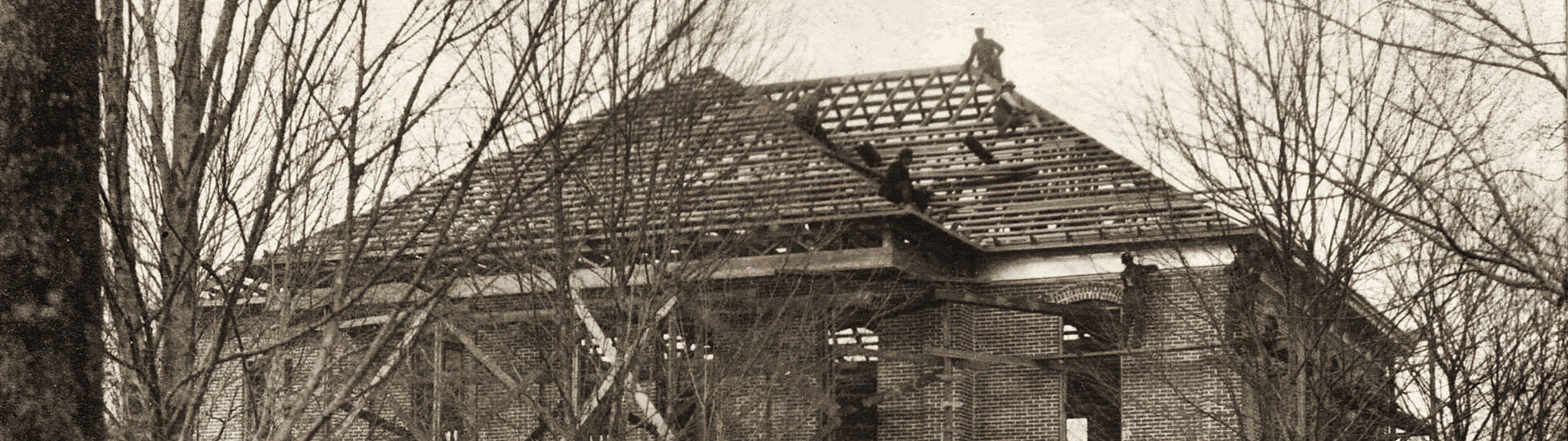
Sequatchie County
Sequatchie County seat, known for coke ovens and hang-gliding launches off the valley walls.
Visit this page →Campbell County
Campbell County seat by Cove Lake and Norris Lake’s north shore.
Visit this page →Cumberland · Morgan · Scott · Fentress · Pickett · Bledsoe · Sequatchie · Campbell · Claiborne · Anderson (Oliver Springs & Windrock) · Roane · all 33 East TN counties →
County history: Morgan County history → · Anderson County history → · Roane County history →
Through the Gap. For centuries, Native peoples followed the Warriors’ Path through a natural notch in the mountains. In 1775, Daniel Boone and a crew of axmen marked the Wilderness Road through Cumberland Gap, and over the next decades a few hundred thousand settlers walked or rode it west. [S2]
Coal, timber and rails. In the late 1800s, railroads and coal mines opened up the plateau. Towns like Oliver Springs, Coal Creek (now Rocky Top) and Wartburg grew with mining and logging. [S1]
Utopias and homesteads. English author Thomas Hughes founded Rugby in Morgan County in 1880 as a planned community for younger sons of English gentry; many of its Victorian buildings still stand. In the 1930s the New Deal built the Cumberland Homesteads near Crossville, giving struggling families stone houses and farmland. [S7][S6]
Sergeant York. Alvin C. York, born in Pall Mall in Fentress County, became one of the most decorated U.S. soldiers of World War I and came home to build a school and a gristmill; his home and mill are now a state historic park. [S8]
Protected rivers. Congress set aside the Big South Fork National River and Recreation Area in 1974 and named the Obed a Wild and Scenic River in 1976, protecting the plateau’s best gorges. [S3][S4]
Go deeper on our East Tennessee history hub and the museums & history sites list.
In 1750, Virginia explorer Dr. Thomas Walker crossed the mountains and named the river he found the Cumberland, after Prince William, Duke of Cumberland, a son of King George II. The name spread to the gap, the mountains, the plateau and later a county. Daniel Boone’s Wilderness Road made “Cumberland Gap” famous a generation later. [S2][S1]
Facts on this page were checked against these sources on Oct 29, 2026 (ET). We summarize in our own words and link out — re-check hours, fees and road status before you go.
Explore East Tennessee


